Demonstration Projects
Demonstration projects
DP15
Measuring and valuing biodiversity and ecosystem services within construction projects
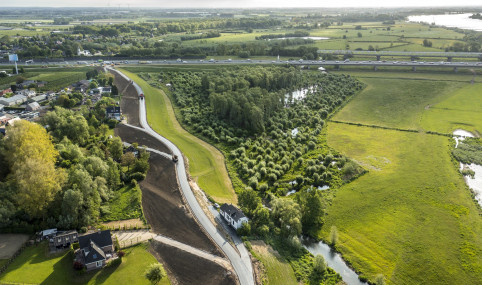
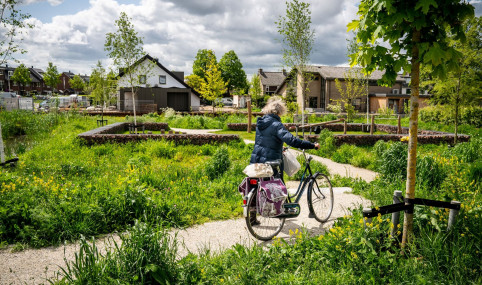
To help Heijmans assess and communicate the value of incorporating nature-inclusive measures in real estate and infrastructure projects, with the end goal of supporting both internal decision-making and client engagement.
A practical valuation tool that enables Heijmans to quantify the ecological, social and economic value of ecosystem-service outcomes across different project scenarios:
Baseline– pre-project conditions.
Business as Usual scenario - post-project conditions without biodiversity or nature-inclusive measures.
Nature inclusive scenario - post-project conditions with biodiversity and nature-inclusive measures incorporated.
Heijmans, a major Dutch construction-services company active in real estate and infrastructure, collaborated with Grant Thornton Impact House through DP15 to develop this scenario-based valuation tool. The tool demonstrates the socioeconomic benefits of integrating nature inclusive building measures into construction projects by quantifying ecosystem services across different scenarios.
The valuation covers a range of ecosystem services such as carbon sequestration, air pollution removal, pollination, enhanced green living environment, increased real estate value and reduced healthcare costs. The Business as Usual scenario reflects a conventional project outcome with limited green or semi-natural ecosystem elements, while the Nature inclusive scenario reflects the addition, restoration or enhancement of ecosystem features.
The tool focuses on ecosystems commonly found within Dutch construction projects, including forests, grasslands, heathland and scrub, urban greenery, ponds, marsh vegetation, green roofs, façade greenery and paved or pervious surfaces.
Designed primarily for Heijmans’ sustainability, project, procurement, finance and ecology teams, the tool supports decision-making throughout the project lifecycle. It is designed in a way that aligns with a simple survey that project developers can complete, ensuring that it is easy to use. It can support the development of more competitive tenders, facilitate client engagement, investor communication and sustainability reporting.
ction companies demonstrate the economic benefits of incorporating nature-inclusive building measures into their projects and decision-making processes with a tool that values different ecosystem scenarios.